How to Analyze a Company’s Financial Statements
Overview of Financial Statements
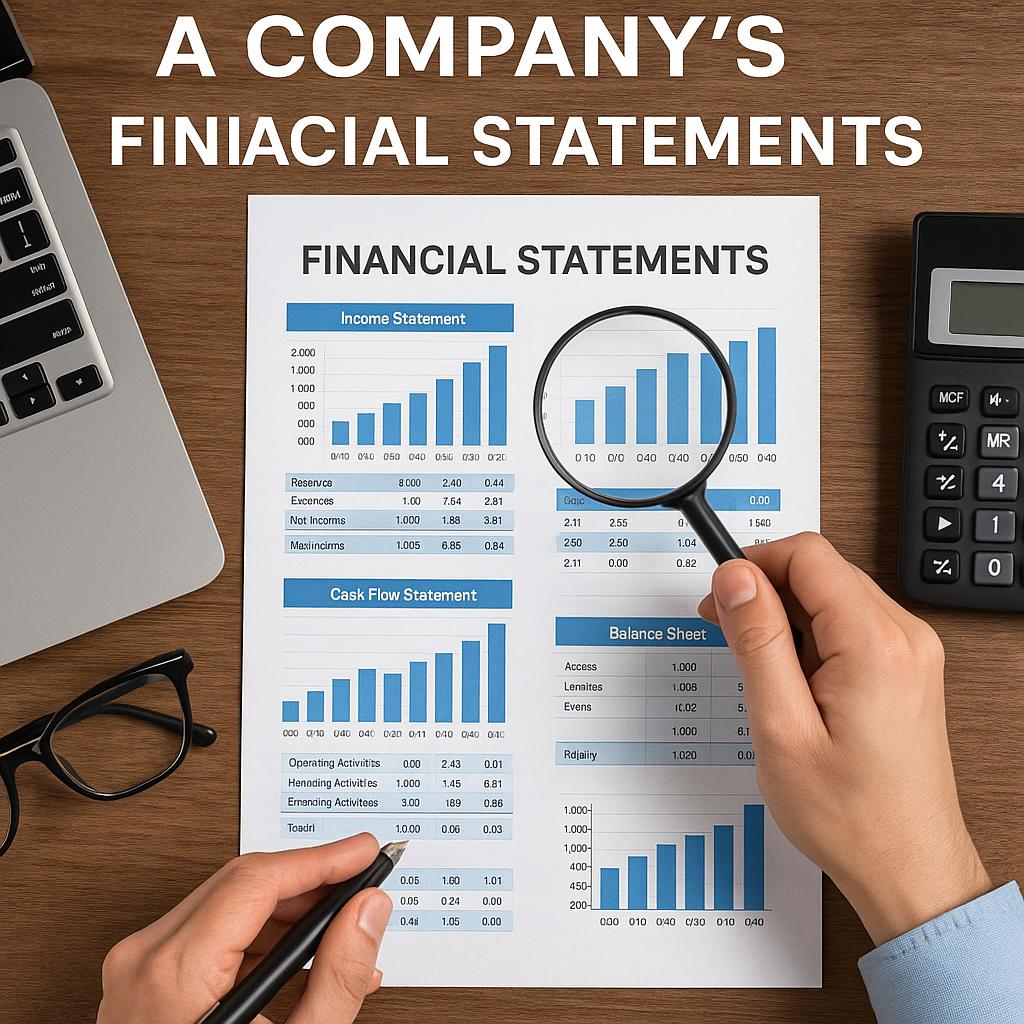
Understanding a company’s financial statements is crucial for making informed investment and business decisions. These documents provide a comprehensive record of the company’s financial activities and position, serving as fundamental tools for evaluating its economic health. The primary financial statements include the balance sheet, income statement, and cash flow statement. Each of these serves distinct purposes and offers unique insights into the company’s operations and financial well-being.
Balance Sheet
The balance sheet offers a snapshot of a company’s financial position at a specific point in time. It meticulously details the company’s assets, liabilities, and shareholders’ equity. This snapshot allows stakeholders to get a sense of what the company owns and owes, as well as the amount invested by the shareholders.
Analyzing Assets
Assets are typically divided into current and non-current categories. Current assets are those expected to be converted into cash or utilized within one year, including cash, accounts receivable, and inventory. Non-current assets encompass long-term investments such as property, equipment, and patents. Evaluating these components helps in assessing the company’s operational efficiency and resource allocation.
By closely examining assets, investors and analysts can determine how effectively a company utilizes its resources to generate revenue. It’s essential to evaluate how quickly assets can be converted to cash, which is particularly critical for maintaining liquidity and operational continuity. Moreover, understanding the composition of assets can provide insights into strategic investments that a company might have made to foster future growth.
Interpreting Liabilities
Similar to assets, liabilities are categorized into current and non-current types. Current liabilities represent obligations due within one year, such as short-term debt and accounts payable. Non-current liabilities include long-term debt and other obligations that extend beyond a year. Analyzing liabilities gives insights into a company’s financial leverage and debt management strategies.
A thorough examination of a company’s liabilities can reveal crucial information about its financial structure and risk profile. High levels of liabilities relative to assets might indicate potential challenges in meeting financial obligations, thus affecting the company’s creditworthiness and overall financial stability. It’s imperative for stakeholders to understand how the company manages its debt to ensure long-term sustainability.
Income Statement
The income statement, also known as the profit and loss statement, outlines a company’s financial performance over a specific period, typically a quarter or a year. This crucial statement records revenues, expenses, and the resulting profits or losses, highlighting whether a company is succeeding in its core operations and if it is becoming more profitable over time.
Revenue and Expense Analysis
Revenue reflects the total income generated from selling goods or services. Analyzing growth trends in revenue and comparing them with industry peers is crucial for understanding market performance and competitive positioning. Expenses, on the other hand, encompass all the costs incurred in producing goods or services, which include operating expenses, cost of goods sold (COGS), and administrative expenses. Evaluating expenses can reveal opportunities for cost efficiency and operational improvements.
By systematically breaking down these components, stakeholders can identify areas where the company excels and potential areas for improvement. It allows for informed decision-making regarding cost control measures and investments in areas that could lead to increased revenue.
Profitability Ratios
To gain deeper insights into financial performance, it’s beneficial to calculate profitability ratios such as the gross profit margin, operating margin, and net profit margin. These ratios assess the company’s ability to generate profit relative to its sales, offering a clear view of operational efficiency and financial health. They assist in revealing whether the company is leveraging its resources effectively to maximize profit.
Cash Flow Statement
The cash flow statement provides a summary of cash inflows and outflows over a specific period. It stands as an invaluable tool in demonstrating how a company generates cash to fund its operations and pursue growth opportunities. This statement is divided into activities: operating, investing, and financing, each offering detailed insights into cash movements within the business.
Operating Cash Flow
The operating cash flow reflects cash generated from core business operations. It acts as a key indicator of the company’s ability to sustain its business and finance growth without relying on external funding sources. Maintaining positive operating cash flow over time signals financial stability, reassuring stakeholders about the company’s capability to cover its everyday operational expenses and plan for future expansion.
Investing and Financing Activities
Investing activities cover cash used in or generated from investments in assets or business ventures. Analyzing this section highlights where the company directs its financial efforts to drive long-term growth. Financing activities describe the flow of cash between the company and its investors, including cash received from issuing shares, managing debt, and dividends paid. Assessing these sections provides understanding into strategic investments and capital management approaches.
Investors and analysts are often particularly interested in these sections as they demonstrate how effectively a company uses its capital. The right balance between these activities ensures that the company can invest adequately in growth opportunities while maintaining a healthy return to investors through dividends or stock buybacks.
Additional Resources
For individuals seeking a more detailed understanding of financial statements, exploring comprehensive financial sites can be highly beneficial. Websites like Investopedia offer extensive articles and tutorials that can aid in understanding the nuances of financial analysis, making it easier for interested parties to grow their knowledge and apply it effectively in financial scenarios. Though financial statements might initially seem complex, with proper tools and insights, dissecting them can provide valuable information for making sound economic decisions.
This article was last updated on: March 29, 2026