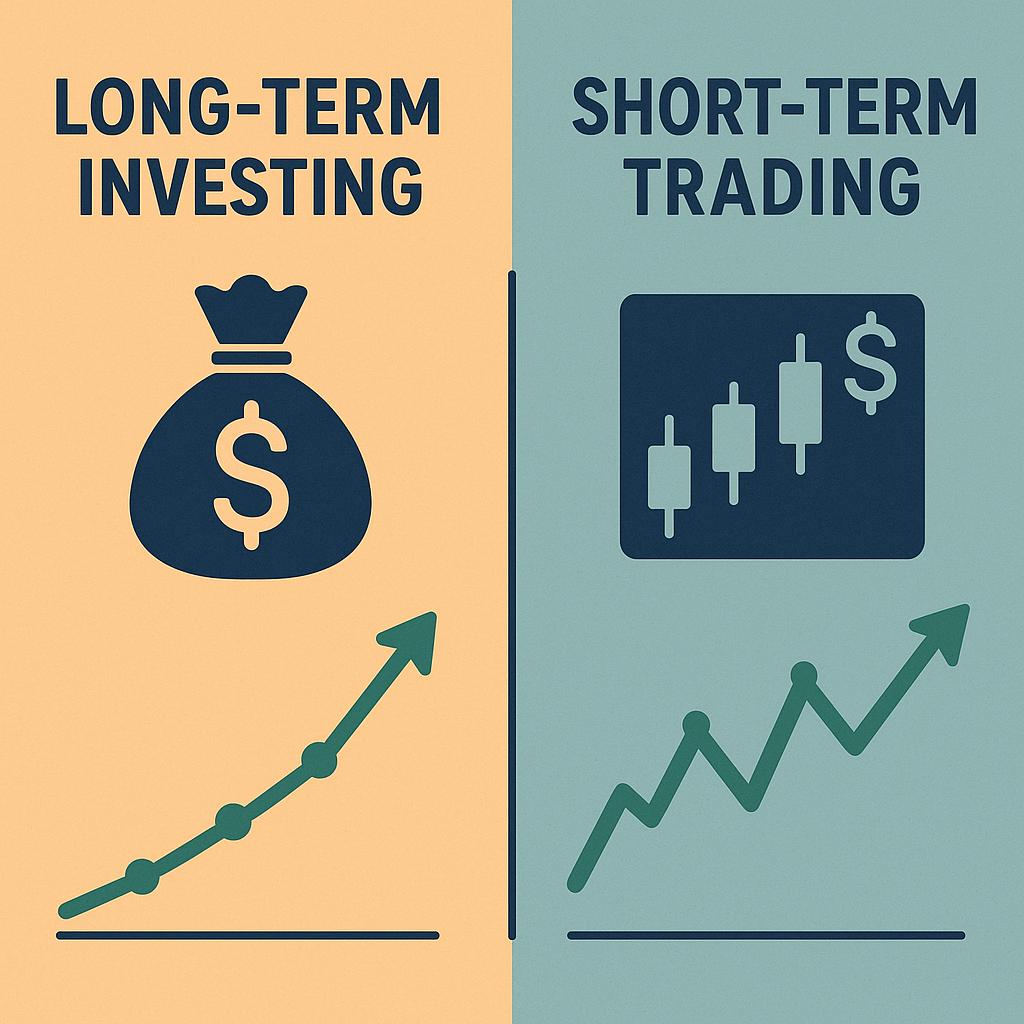
Long-Term Investing vs. Short-Term Trading
Understanding Long-Term Investing
Long-term investing involves holding onto assets for several years, aiming for gradual growth and compound returns over time. This strategy is not just a matter of holding onto investments passively; it requires a keen understanding of the fundamental aspects that drive the value of these investments. Investors look deeply into the company’s financial statements, its track record, market position, management quality, and its strategies for future growth. The focus is largely on assets like stocks and bonds, with an eye on factors such as a company’s financial health, competitive advantages, and overall economic conditions.
Benefits of Long-Term Investing
One of the main advantages of long-term investing is the power of compounding. This is a process where the earnings from an asset — whether in the form of dividends, interest, or other returns—are reinvested to generate their own earnings. Over time, this can result in exponential growth of the initial investment, as earnings continually build upon themselves. Historical data supports this concept, showing that, despite short-term fluctuations, markets generally appreciate in value over extended periods. Thus, long-term investors are often more insulated from the daily ebbs and flows of the market.
Beyond the intrinsic benefits of time and growth, this approach often incurs lower fees. Frequent trading typically results in higher transaction costs, while long-term strategies favor a buy-and-hold philosophy that reduces expenses related to buying and selling assets. Furthermore, tax considerations are crucial, as some jurisdictions offer more favorable capital gains tax rates on assets held over longer durations. This can mean substantial savings and enhanced net returns over time.
Overview of Short-Term Trading
Short-term trading is centered on the frequent buying and selling of financial instruments within a short timeframe, which could range from mere seconds to a few months. This approach requires a different set of skills and strategies compared to long-term investing. Traders often rely on methodologies like day trading, where positions are opened and closed within the same trading day; swing trading, which involves holding onto positions for days or weeks to capitalize on predicted price swings; and scalping, which seeks to profit from minute price changes, often executed numerous times throughout the day.
Benefits of Short-Term Trading
The primary allure of short-term trading is the potential for rapid profits, particularly in volatile markets where prices can change quickly and significantly. Traders aim to identify and exploit these small price fluctuations, leveraging tools of technical analysis, market indicators, and charts to inform their trading decisions. These tools are pivotal in understanding market trends and determining the optimal points for entering and exiting trades.
In addition to potential profits, short-term trading offers the advantage of liquidity. Traders maintain control to quickly buy and sell assets, thereby freeing up capital for new opportunities almost immediately. This agility offers the flexibility to adapt to evolving market conditions, responding swiftly to global economic news, company announcements, or any event that might influence market movements. This can be especially advantageous in mitigating risks associated with unfavorable positions.
Comparing Long-Term and Short-Term Strategies
The choice between adopting a long-term investment strategy or engaging in short-term trading largely depends on personal financial goals, the level of risk one is prepared to accept, and the time available to dedicate to investment activities. Each approach comes with its unique set of attributes that may appeal differently depending on the investor’s objectives and resources.
Risk Considerations
Long-term investing is generally seen as a more conservative approach. By focusing on sustained market trends over several years, investors may effectively manage risks associated with short-term market volatility. This doesn’t mean long-term investments are risk-free but rather that they are potentially less influenced by temporary market fluctuations. On the other hand, short-term trading is inherently riskier due to its reliance on speculative trading. The fast-paced nature of short-term trades, coupled with market volatility, requires traders to be adept at forecasting price movements and to manage risks effectively through techniques like stop-loss orders.
Time Commitment
Executing short-term trading successfully demands significant time and attention. Traders need to stay abreast of real-time market data, rapidly changing events, and continuous analysis of market trends. This can be a full-time endeavor, considering the effort required to strategize and execute trades effectively. Conversely, long-term investing generally involves less frequent monitoring. Investors periodically review their portfolios to ensure alignment with financial goals, considering periodic adjustments based on fundamental analysis rather than the day-to-day movements of the market.
Final Thoughts
Both long-term investing and short-term trading offer distinct advantages and challenges. Investors who prefer a less hands-on approach and prioritize steady, compound growth over time might find long-term strategies more suitable. This approach aligns with those who appreciate the stability offered by fundamentally strong investments. Meanwhile, individuals who thrive on active market participation and are adept at utilizing technical analysis may find the dynamic nature of short-term trading more attractive. This strategy can provide the thrill of rapid trading, with corresponding rewards and risks.
Additional Resources
For those seeking deeper insights into investing strategies, numerous avenues offer valuable information. Resources like Investopedia provide comprehensive guides and articles tailored to an array of investment strategies, offering knowledge that spans from beginner tips to advanced analysis. Additionally, education through research from reputable financial institutions, consulting with financial advisors, and continuous learning from market trends can further illuminate the right path for one’s financial journey. Each step towards understanding these strategies equips investors with the tools necessary to make informed decisions, aligned with personal financial aspirations.
This article was last updated on: January 25, 2026